What is bandy ?
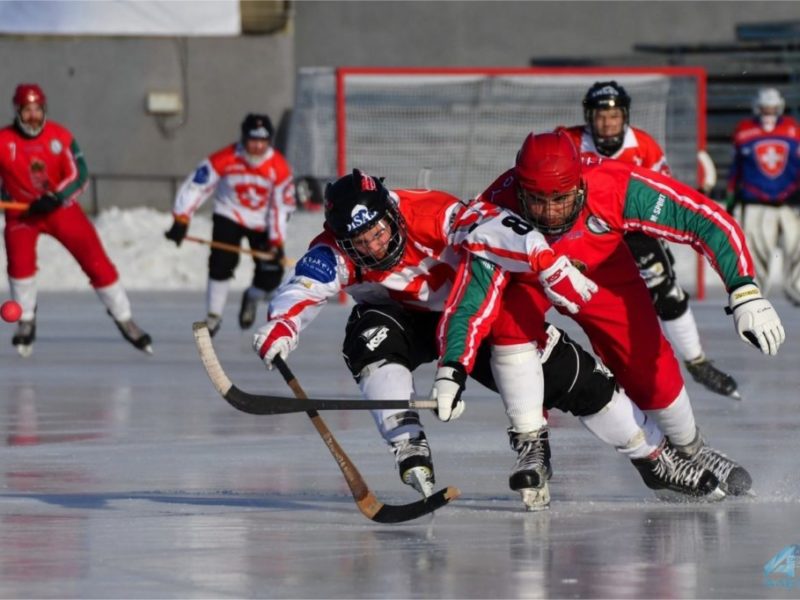
Bandy is a team sport and the forerunner of ice hockey.
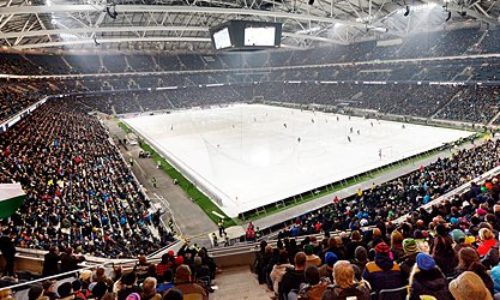
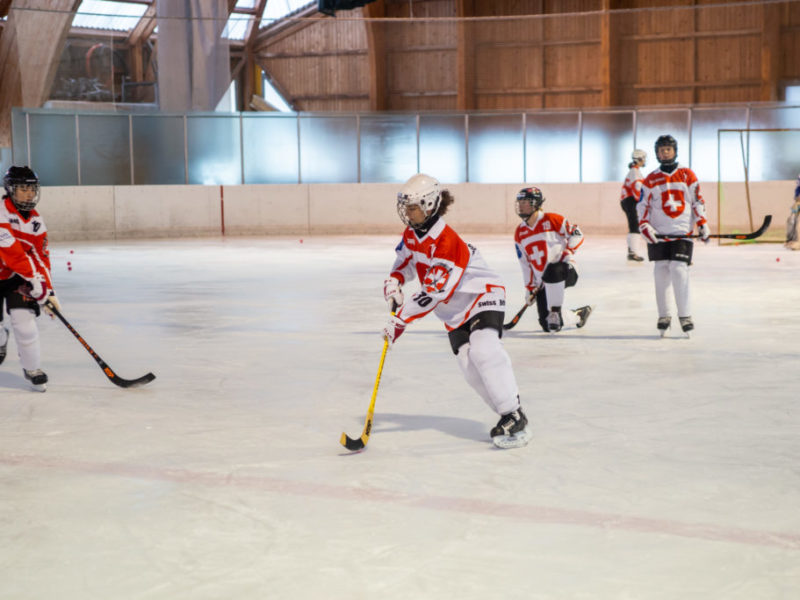
Bandy is played on an ice rink the size of a football pitch. There are ten outfield players and a goalkeeper, with flying substitutions.
The offside rule is similar to that used in football, whilst the penalty system is similar to that in ice hockey. The match consists of two 45-minute halves with a 15-minute break between them.
Bandy history
Bandy is a form of ice hockey that has been played on ‘ice rinks’ in the Netherlands since the 16th century, and probably even earlier. It was certainly introduced to England by the Dutch, and there are records of bandy dating back to the 17th century. This popular, informal pastime left very few traces.
From the 19th century onwards, the game became organised in England and spread throughout almost all of continental Europe.
The first official match took place at Crystal Palace, London, in 1875.
The International Bandy Federation was founded on 12 February 1955 with the participation of four national federations: the Soviet Union, Finland, Sweden and Norway. A world championship was established in 1957. Today, 27 national federations are affiliated to the International Bandy Federation.
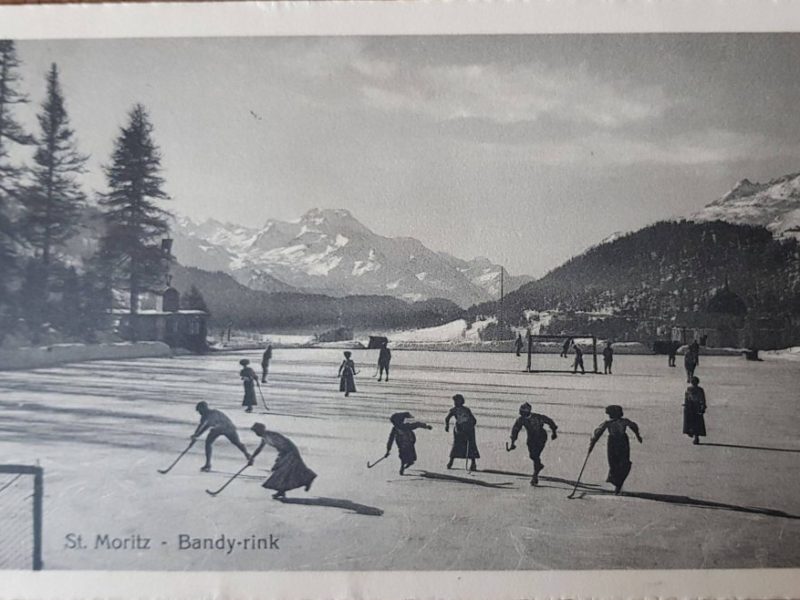
Above: a bandy match in St Moritz in the early 20th century.
Switzerland’s first bandy team took part in the 1913 European Championships, which were held in Davos.
How bandy is different ?
Shot

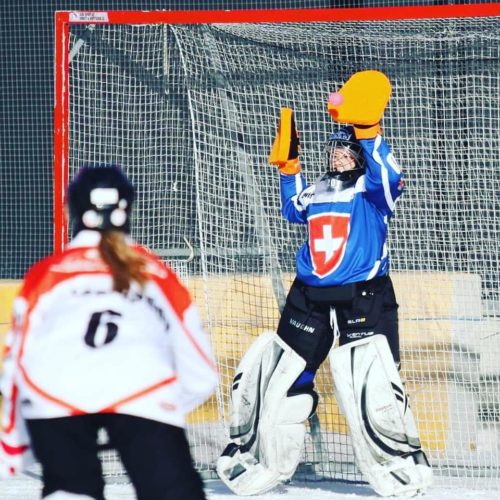
Goalkeeper
Corner offense

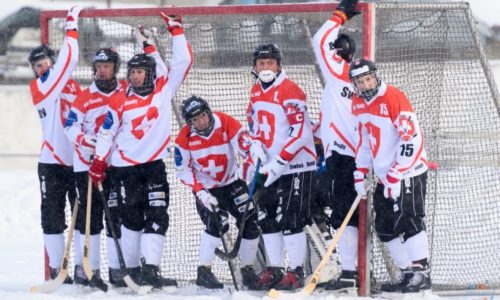
Corner defense
Free Kick
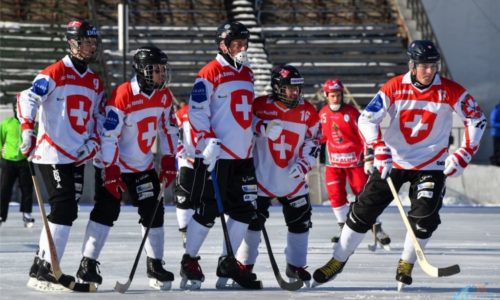
Bench

Stadium